
Kick-off for students TU Delft
31augustus 2026
Prof. Dr. Fransje Hooijmeijer and Luca Iuoiro of the TUDelft.


Addressing rigid water infrastructures and reconnecting with the landscape and society in the Kiso River region (Japan), including a two-day excursion to the Southwest Delta (Netherlands) to compare the Kiso area with the Southwest Delta.
September - November 2026
Part of the knowledge project 'New Water Masters: Japan and the Netherlands' and TU Delft DeltaFutureLabs
The project starts on 1th of September and runs until October '26.
TU Delft and the Blue Line Foundation are the initiators of this project. There is collaboration / help of:
The interdisciplinary design method used in this course was developed within the Delta Futures Lab. This means that student groups collaboratively formulate a vision, values, and concepts for the selected area. During fieldwork and workshops, they discuss with local stakeholders how the area can be designed to be more resilient and sustainable. Three weeks of fieldwork form the core of the course. The first two weeks focus on a collaborative analysis of the study area. Each discipline contributes its own perspective: an architect views the area differently than a water manager or geoscientist. These diverse insights are brought together by: developing a shared value system and design goals creating an interdisciplinary group design in which all contributions converge spatially and conceptually elaborating individual projects (during the final five weeks) that delve deeper into the student's own discipline at a chosen scale—such as a building design, spatial plan, landscape proposal, hydrological model, or circular water strategy In this course, design is viewed as a means of generating knowledge. It makes the relationships between soil, water, ecology, infrastructure, and human (and non-human) needs visible and open to discussion. Students conclude the course with a design that does justice to this complexity and develop a keen insight into their role within interdisciplinary collaboration. The course approach is based on two academic publications, including those by Hooimeijer et al. (2022) and Hartmeyer et al. (2024).
This case study was developed in collaboration with: Nagoya University, Kakamigahara City Municipality, the Blauwe Lijn Foundation, DCC, and the Watersnoodmuseum (Flood Museum). Approximately 15 students from various disciplines are participating in this project. Students from Dr. Ono’s group may also join during the workshop.
Kakamigahara City faces various spatial challenges, such as population decline, an aging population, park redesign, changing mobility patterns, and the future of key transport hubs. Additionally, resident-led initiatives are playing an increasingly important role in urban development, particularly in adapting public spaces and local infrastructure to changing societal needs. Large-scale water management in Japan is overseen by the national Ministry of Land, Infrastructure, Transport and Tourism. The municipality focuses primarily on parks, recreation, green spaces, and local area development.
This creates a unique relationship between the city and the Kiso River in Kakamigahara: the river is visible in recreational landscapes, cycle paths, parks, and green networks, forming a key part of the city's identity. The Kiso River landscape has been historically shaped by long-standing Dutch-Japanese cooperation in hydraulic engineering. Current park development plans—such as rain gardens, green infrastructure, and recreational riverbanks—can therefore be viewed as a continuation of this historic relationship with the river landscape.
The course combines research and design in Nagoya (Japan), focusing on dealing with rigid water infrastructure and reconnecting with the landscape and society. Students will also visit Grenoble (France) to explore living with floods rather than attempting to control them completely, and Gothenburg (Sweden) to look at the remediation of polluted industrial areas. During fieldwork and design projects, students develop solutions—both collaboratively and individually—across various scales, ranging from the building level to the landscape level.
Design is employed here as a means to generate knowledge and to visualize the complex relationships between water, soil, ecology, and society. The course is part of ongoing international research into deltas, conducted in collaboration with the Blauwe Lijn Foundation, among others.
Following the trip to Japan, a two-day excursion in Zeeland will be offered as part of a supplementary assignment or workshop involving students from HZ University of Applied Sciences and UCR. This will allow participants to focus on the Kiso Delta and the Southwestern Delta, draw comparisons, and derive insights and lessons for students from TU Delft, HZ, and UCR. This excursion is organized by the Blauwe Lijn Foundation in collaboration with Peer de Rijke, the Delta Climate Centre, and the Watersnoodmuseum.
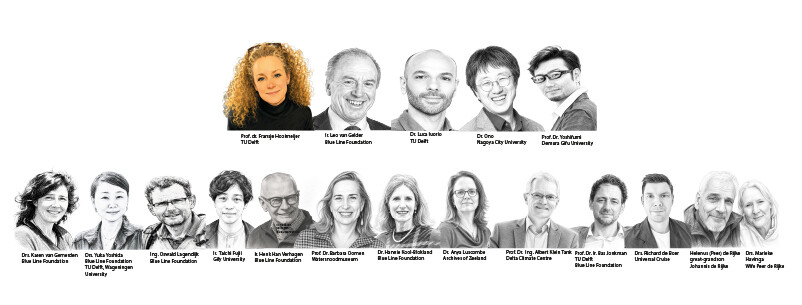
Prof. Dr. Fransje Hooijmeijer and Luca Iuoiro of the TUDelft.


ir. Leo van Gelder and Peer de Rijke, a descendant of Johannis de Rijke is giving a presentation to the participating students from TU Delft.
Presentation of MLIT about the work of the Ministery of Infrastructure Japan.

Students from TU Delft are attending a presentation by Yuka Yoshida, a WUR lecturer in landscape architecture and PhD researcher.
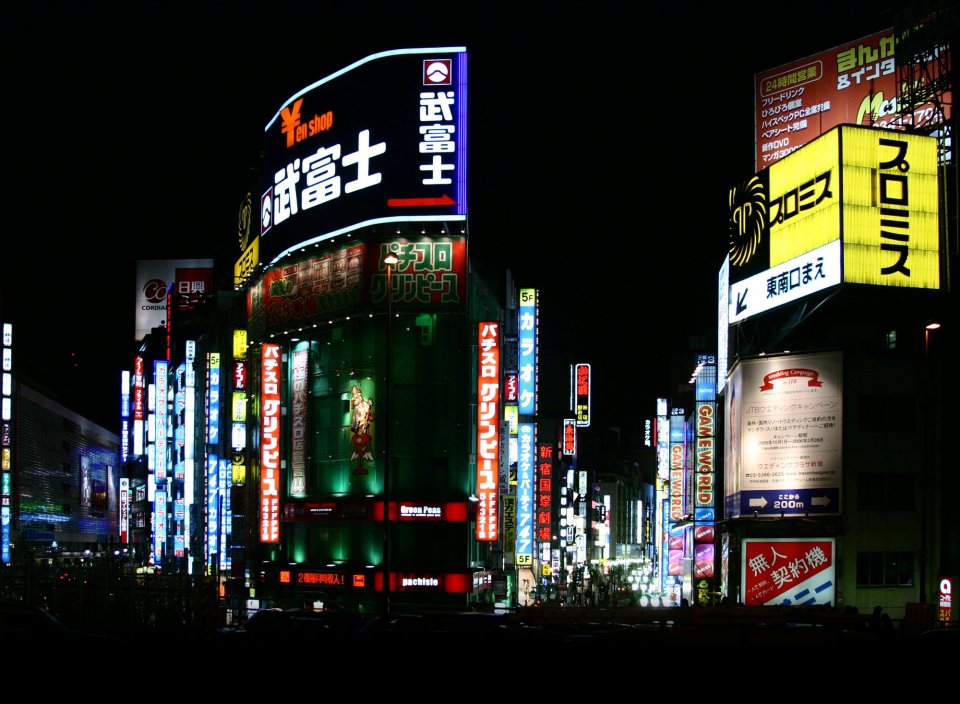
Students and supervisors are going to Nagoya, Japan and Kiso River

Presentation about the case study
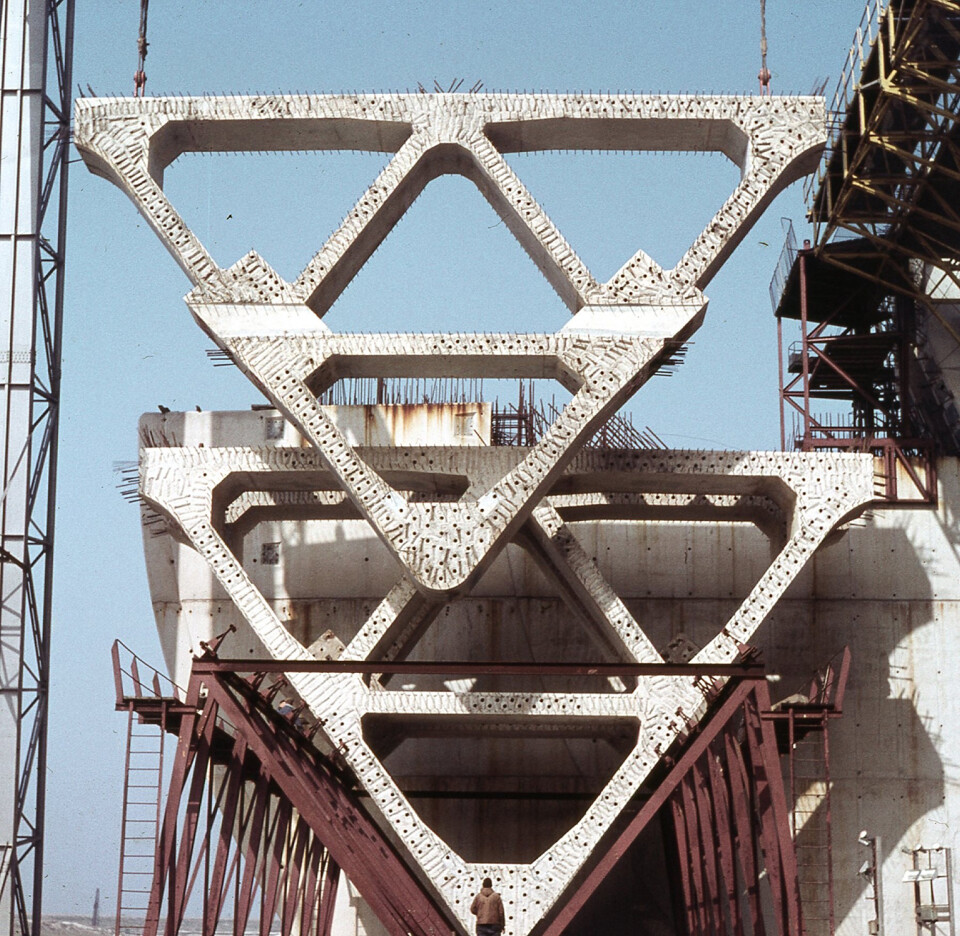
On October 7, the students will depart for Vlissingen (DCC). Together with Van Driel Delft, the Blauwe Lijn Foundation will take the students on a bus trip to the Delta Works (Haringvliet Sluices and Oosterschelde Storm Surge Barrier).

Presentation by Prof. Dr. Albert Klein Tank (UU, DCC).
Presentation Time travel by Rijksdienst voor Cultureel Erfgoed.
Workshop 'Westerschelde' unter supervision of ing. Oswald Lagendijk (Blue Line Foundation)
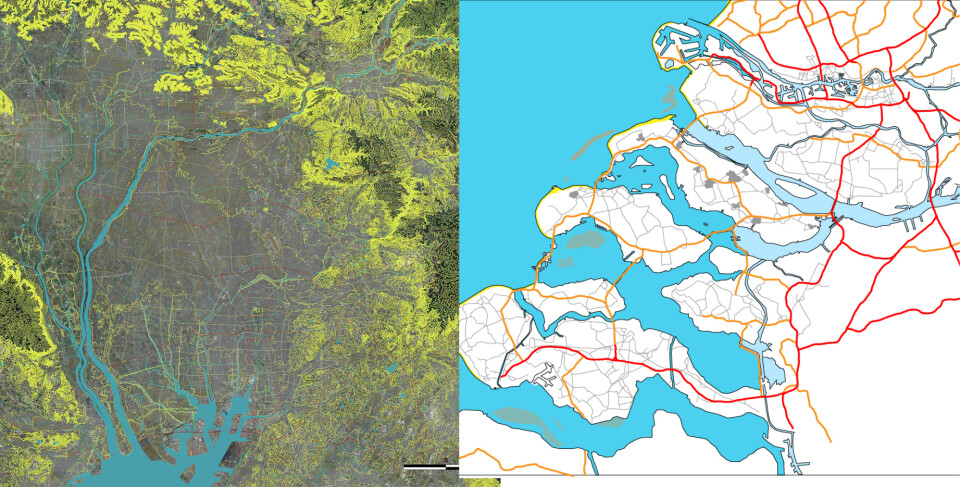
Using the 'Water Future Game' developed by the Blue Line Foundation and a design session, the students are working to map out the challenges facing two areas—the Kiso River region and the Southwestern Delta—with the aim of discussing potential similarities and differences.
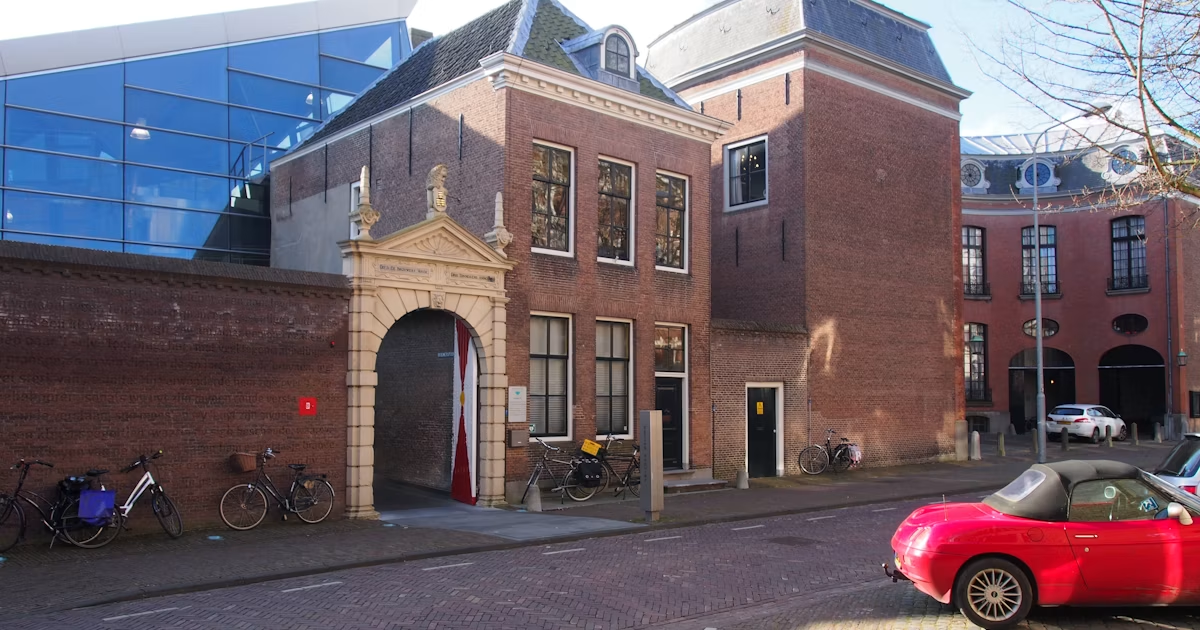
The importance of the cultural heritage in Zeeland, of which Johannis de Rijke is a part.

The story of Johannis de Rijke is told, and insights from the students' and experts' journeys in Japan and the Southwestern Delta are shared with the public.

Students from TU Delft present the findings of the international field research and additional field trips.
Vult u onderstaande gegevens in om u in te schrijven voor onze nieuwsbrief.
Secretariaat
Stichting Blauwe Lijn
p.a. Nieuweweg 1
3251 AS Stellendam
info@stichtingblauwelijn.nl
www.stichtingblauwelijn.nl
© POWERED BY STUDIO SANDRA VOS